Or: Common Sense for Femmes by Larinse Fishburn
CW: discussion of violence, assault, rape.
I’m not an expert in fighting or martial arts. I just have a collection of lived experiences as someone AFAB, and knowledge/practice from some classes over the years. There are a lot of different techniques and skills that can be useful in the event of a physical attack. A lot of this is probably going to be stuff you’ve heard before. The biggest piece of information worth sharing here is that, like anything else, self-defense requires practice. Find a friend, or gather a group, and get comfortable with being uncomfortable. You can study, watch videos, listen to podcasts, or play Mortal Kombat all you want, but there’s nothing like actually engaging the muscles you hope to use to actually learn how to use them.
Don’t be a target. This is kind of messed up, like if-you-don’t-want-to-get-raped-you-shouldn’t-dress-that-way kind of messed up, but we live in a messed up world. However you dress, project confidence and awareness. This means good posture and sure footing. Chin up, shoulders back. You can have your phone handy if you need it, but be aware of your surroundings. Be careful with eye contact. Consider items within your environment that could be used against an attacker if necessary, such as a backpack, keys or pocket sand.
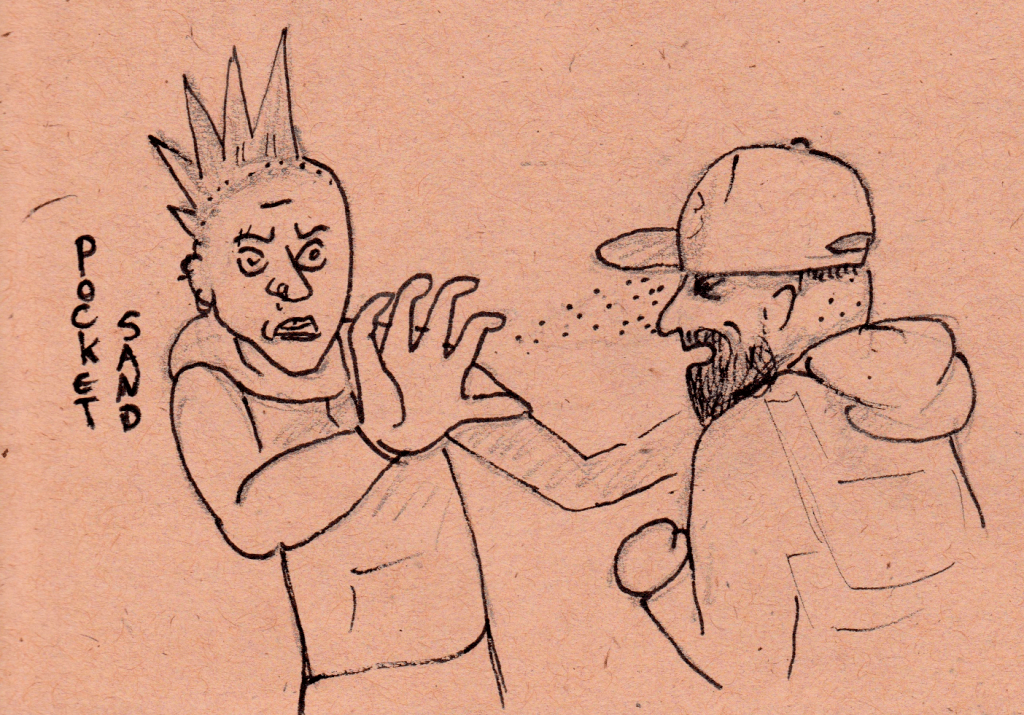
Fighting is the last option. Always try to deescalate the situation if possible. If someone is being confrontational with you, speak calmly and directly. “You don’t need to bother me. I’m going to get in my car and leave now.”
Remember to breathe. If you can leave, do so. Don’t turn your back on the person causing conflict until it is safe to do so. It’s not a matter of pride, or looking tough. It’s worth avoiding situations that could end up evolving law enforcement and it can be a matter of survival.
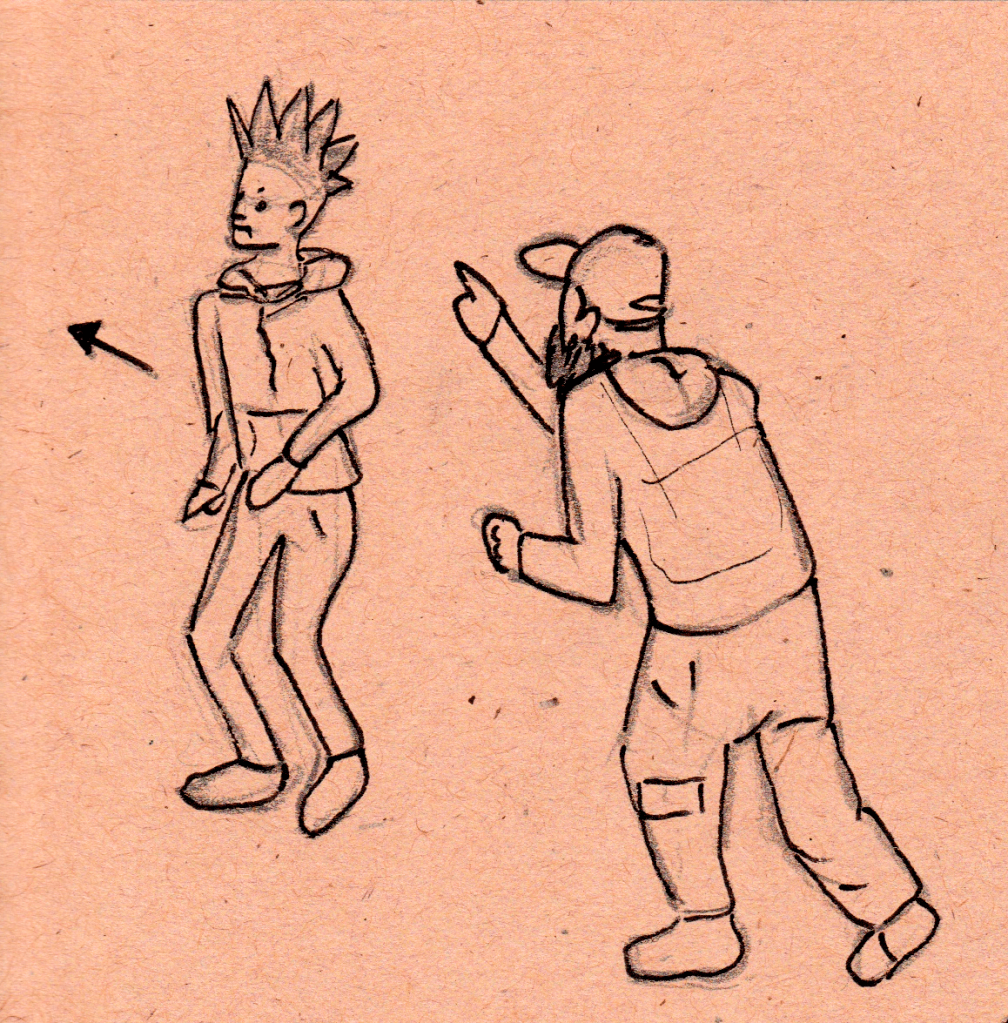
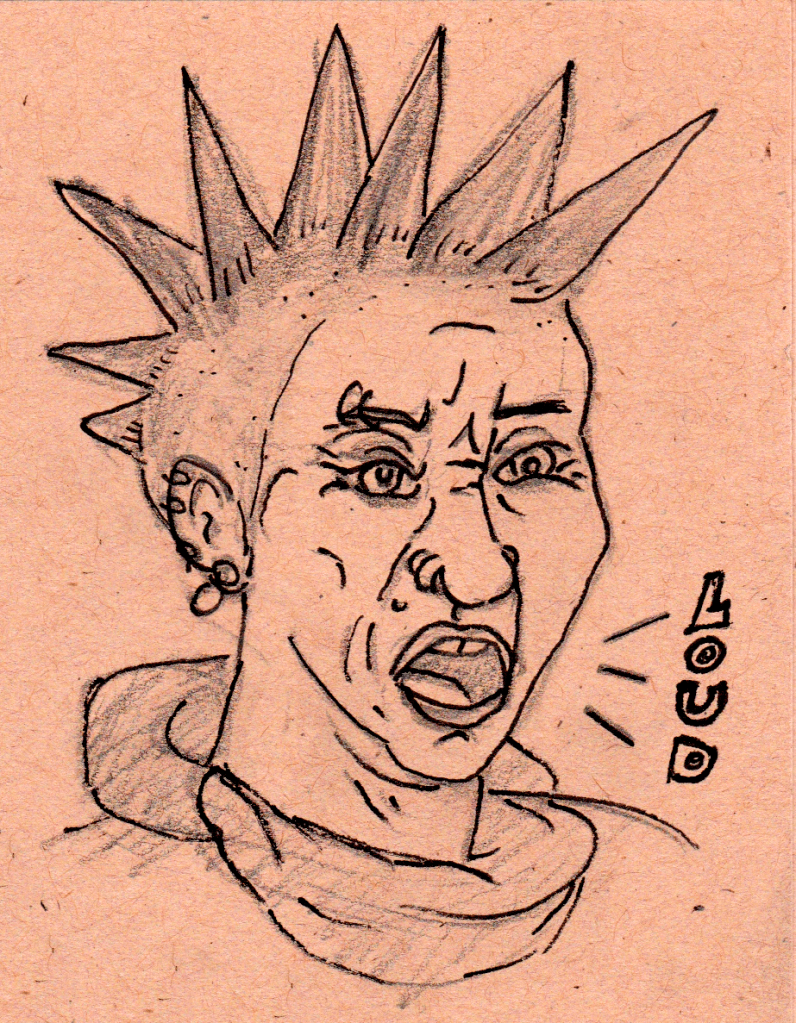
If deescalation is ineffective, it’s time to get loud! Whatever your assailant wants you to do, you need to do the opposite. Yell. Resist. “That’s my purse! I don’t know you!”
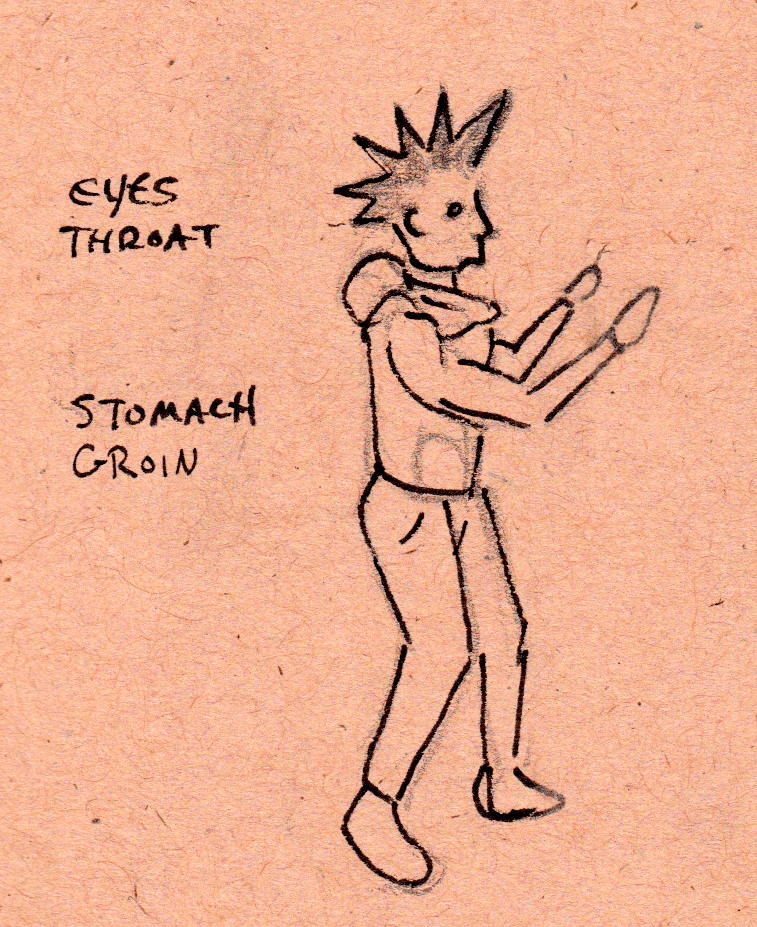
Keep your guard up. Keep a defensive pose, hands up and ready to block. Open palms indicates to witnesses that you are not initiating the fight. Strengthen your base by keeping your feet shoulder width apart, knees slightly bent and one foot leading. Tuck your chin slightly to help protect your throat.
Getting grabbed from behind is not a good place to be in a fight, and a full chokehold is even worse. Unfortunately, it’s likely that a C.H.U.D. will expect you to try to headbutt them and will have their head out of position for you to be successful. Another option for escape is to drop your weight and free your arms. If you know the chokehold is coming, tuck your chin down and shoulders up as much as you can. Try to get your hands between your neck and their arm, or onto the arm. Work on pulling the arm down. The better your reaction time, the more likely your success in staying conscious.
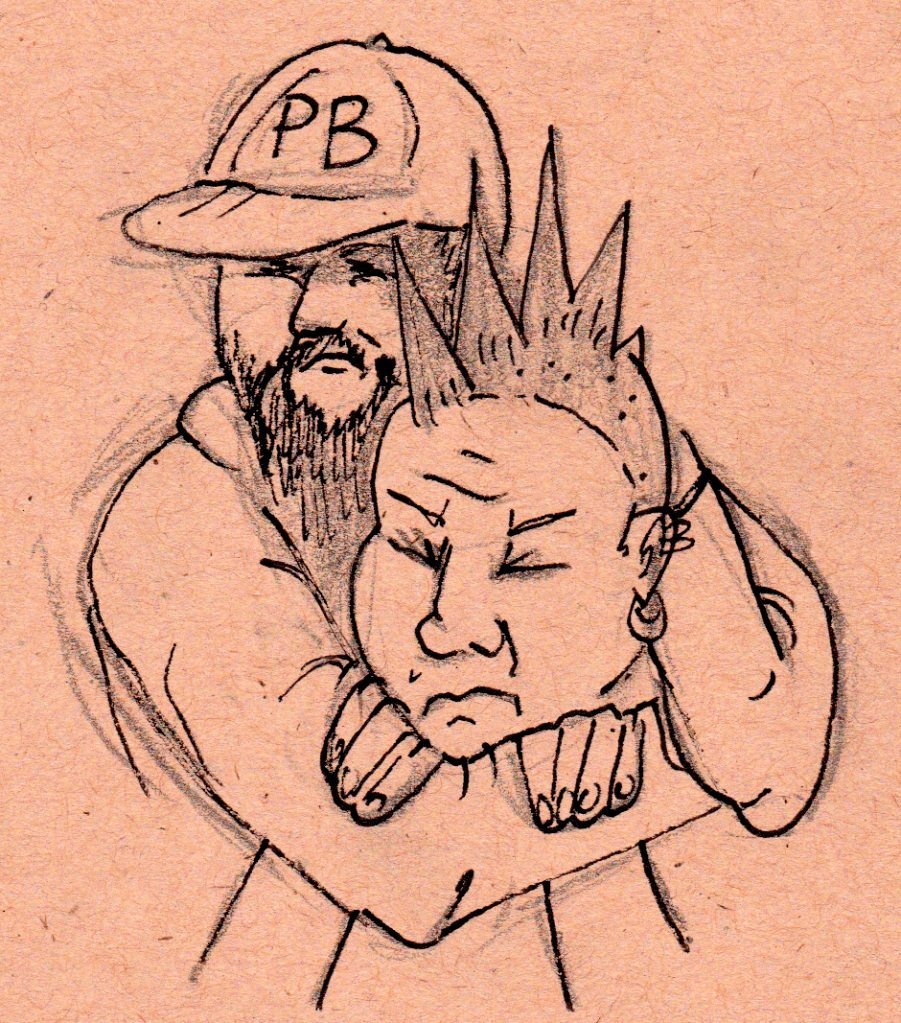
For more information on standing rear naked chokes, try this video: How to Defend a Rear Naked Choke with Stephan Kesting

Striking back. Practice making good, strong fists with your thumbs wrapped around the outside of your fingers. Consider our opponent’s soft and vulnerable spots. Kick their knees. Gouge their eyes. Go for their nose with your fist, the heel of your palm, or even your elbow if close enough. If the aggressor has dangly parts between their legs, you can hit their groin. Again, this is probably something they’ll expect and will block or move to defend. Keep in mind, a hard punch to the throat could be deadly and might not be warranted in most situations.
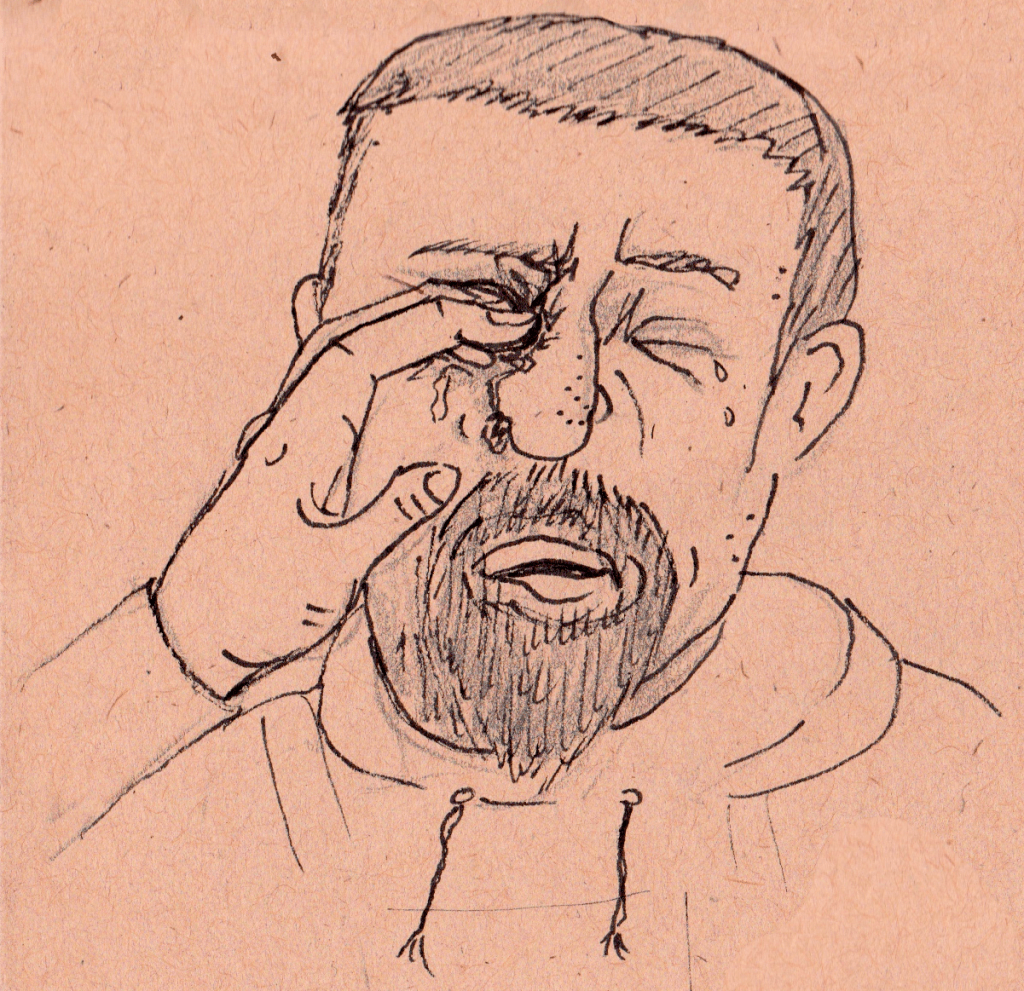
Escape while the jerk is incapacitated. Don’t wait around to see if they’re okay. Your top priority is your own survival, not theirs. If the person that attacked you got hurt, those are the consequences of their actions. Get to safety and find people. Seek medical attention if you need it.
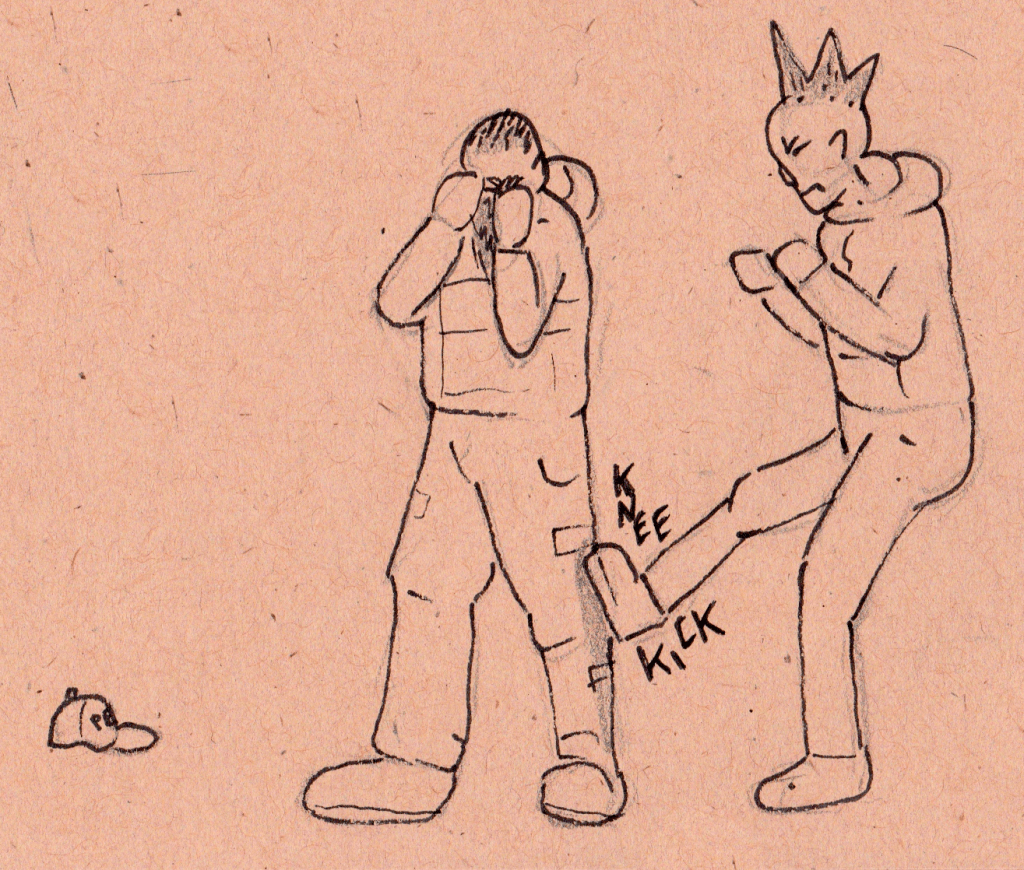
For more self-defense basics, try this free YouTube course from Ando Mierzwa: senseiando.com/self-defense-course
 RRCC
RRCC 